


Joburg Drives Inclusive Local Economy
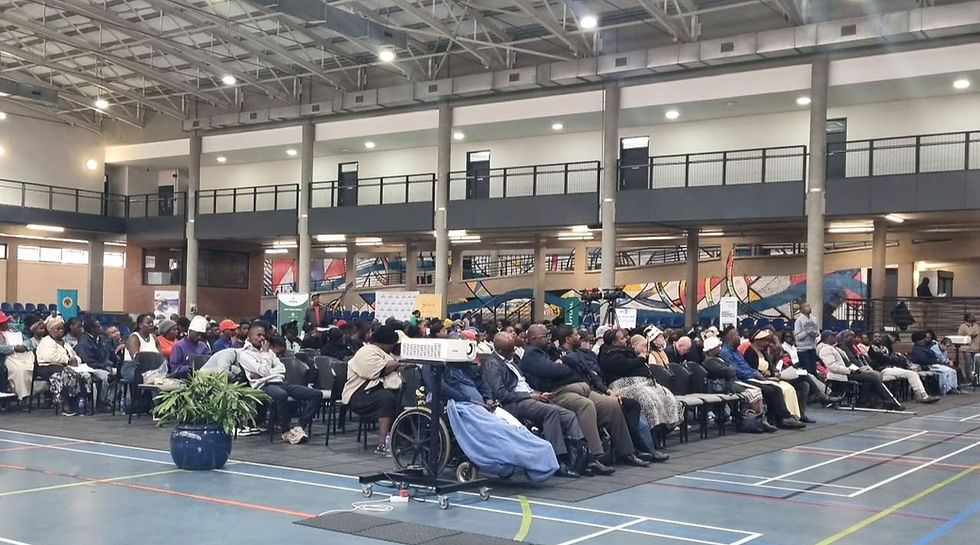
The City of Johannesburg has highlighted that it wants to build a stronger and more inclusive economy where persons with disabilities are seen as active contributors to development and not just beneficiaries of services.
The City said this at the Health and Social Development Department's two-day Economic Summit for Persons with Disabilities 2026, held last week at the Brixton Multipurpose Centre.
The event was held under the theme: Advancing Inclusive Economic Participation of Persons with Disabilities in the City of Johannesburg.
The summit brought together persons with disabilities, civil society, government, and business stakeholders, including Blind SA, SAB Foundation, Neema Foundation, and the Gauteng Provincial Association for Persons with Disabilities, among others.
Topics discussed focused on barriers affecting participation in social and economic life, including accessible transport and municipal facilities, infrastructure, legislative compliance, and support for blind persons and others.
Executive Head of Social Development Martin Lebea said disability mainstreaming must be at the centre of all development planning as a standard principle.
The City emphasized that its Persons with Disabilities Policy of 2021 provides a framework for equal human rights and mainstreaming disability across departments and entities, but the summit stressed the need to move from policy to practical implementation.
Participants also accessed health screenings through a mobile clinic, including blood pressure and glucose testing, pregnancy testing, and Pap smears, with referrals where needed.
The Gauteng Provincial Association for Persons with Disabilities showcased psychosocial support services, with social workers assisting across seven areas in the province, including home visits.
The City said it must now strengthen partnerships with business, expand skills development, and improve access to markets and employment.
Genuine inclusion will be measured by what follows, including policy implementation, budget allocation, accessible infrastructure, and increased economic opportunities.


Comments